

Pellet Stoves Vs Wood Stoves
Pellet stoves burn wood pellets, corn or a combination of both to generate heat. An auger powered by motors loads the pellets into a chamber of combustion, where they are ignited and heated.
Most models come with thermostatic controls that maintain the fire according to the temperature you set. They release very low levels of airborne particles and produce little ash.
Cost
Pellet stoves are cheaper than wood stoves. This is due to the lower installation costs and also the fact that they can be vented through a tiny hole in the wall, removing the need for a chimney. Additionally, since pellet stoves use as a renewable fuel made from recycled waste wood, they have a much lower environmental impact than other stoves.
Pellet stoves ensure an even heat throughout the home and are easy to use. They feature thermostat controls and automatic ignition. They produce less soot, dust and ash making them easier to clean and maintain.
However, pellet stoves' upfront costs are more expensive than wood stoves. You will need to buy wood-based fuel or firewood for your stove. This could cost more than one bag of wood pellets. In addition, you'll need replenish your fuel supply frequently, and you'll likely need to invest in an uninterruptible power supply to keep the feed auger operating in the event of a power failure.
The initial costs for wood stoves are typically lower than pellet stoves, but their ongoing fuel expenses can amount to an impressive amount during a heating season. Additionally the lifespan of a wood stove can range between 10 and 20 years based on the design and use.
Pellet stoves are more efficient than wood stoves and operate on electricity only. Some models also come with battery backups to ensure that the stove is operational in power outages. good pellet stoves makes them a great choice for households that don't have access to an abundance of firewood and wood scraps. Additionally pellet stoves require less maintenance than wood burning stoves due to the fact that they don't generate sparks or explosive flames that could cause fires. As a result, they're a safer option for homes with children and pets. However, you'll need do regular cleaning and maintenance tasks, like adding pellets into the fuel hopper and cleaning up ash after each use. You may also need to replace components over time. These costs could add up to your total ownership costs.
Energy Efficiency
Wood stoves need lots of maintenance, including adding wood and keeping an eye on the flames. A fire's ignition can create sparks which could burn skin or cause damage to clothing. This can create a risky situation that requires constant monitoring. Pellet stoves are more consistent and efficient flame than traditional wood-burning options.
Pellet stoves are more energy efficient than wood-burning fireplaces that convert up to 90% of the fuel into heat. They also consume less fuel per unit of time. This efficient use of energy can reduce heating costs and also help the environment.
Pellet stoves also have a longer time of autonomy than traditional wood stoves. Depending on the model that you choose, this ranges from 12 hours at full power, to 30 hours at low power settings. The pellet stove's power is greater if it's solely used to heat the rooms you are using, and not the entire home.
Pellet stoves don't require as much electricity to run the augers and electronic ignition systems that put pellets into combustion chambers. This electricity can be sourced through an Uninterruptible Supply (UPS) or generator which makes them more reliable than wood stoves that are susceptible to outages.
Pellet stoves require electricity to power the motorized fans and hoppers that automatically transfer pellets to the burning box. This is a problem if you live in an area prone to power outages and you may have to consider alternative options to ensure your stove is operational. This is why it's important to explore the options offered by your chosen stove before deciding which type to purchase.
Environmental Impact
Pellet stoves generate heat by burning wood byproducts from the process of recycling. This is why they're considered "green." In addition, pellets come from renewable resources, namely trees that can be harvested and replanted. This makes them a great alternative to fossil fuels, such as oil or gas.
Pellet stoves produce very little waste since the process of burning wood into pellets is very efficient. They also require less maintenance and cleaning efforts than traditional wood stoves, which makes them an eco-friendly option for those who are looking for alternative home heating options.
Pellet stoves also include thermostats to maintain the desired level of heat. They also have sensors that monitor the condition of the fire, which will shut down or alter the flame to meet your current heating requirements. They can also be operated by a mechanised auger that introduces pellets into the combustion chamber when sensors indicate that it's time to do so.
Pellet stoves release less particulate matter into the air because of their low Ash content. PM can contain harmful compounds such as carcinogens that can cause a variety of health issues when inhaled.
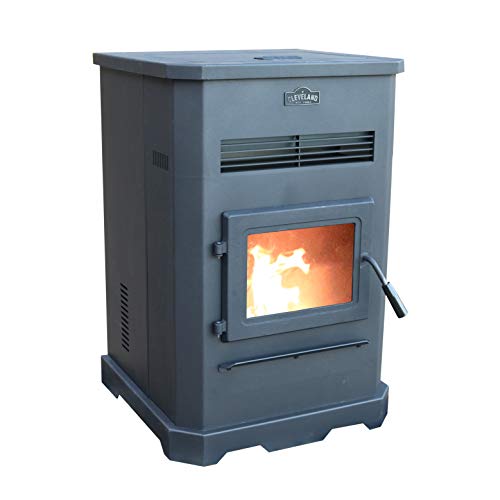
Pellet stoves emit less volatile organic compound (VOC) in the air than traditional wood burning stoves. VOCs comprise carbon monoxide, hydrocarbons and other gases. In contrast to VOCs, the smoke produced by burning wood does not release VOCs into the air However, it does release tiny particles known as condensed moisture and nitric oxides.
Pellet stoves usually come with a catalytic convertor, similar to the converter found in your car. It takes in and burns these particles during the combustion process. This produces an efficient, clean burn that produces very few emissions.
Pellet stoves are powered by electricity and motorized components. Therefore, they must be plugged into an electrical outlet that has three prongs. It is important to remember this when experiencing power outages, since the stove won't function without electricity. Many pellet stoves are equipped with backup battery systems that will keep your home warm in the event of a power outage.
Maintenance
Both wood stoves and pellet stoves require regular maintenance in order to function at their peak. Although pellet stoves don't produce more smoke than wood-burning units, they still require cleaning regularly in order to manage the accumulation of ash and stop creosote buildup. Also, they must have their augers and hoppers regularly cleaned to ensure the stove is feeding pellets properly.
Wood stoves on the other hand are prone to cause sparks and creosote deposits that can cause fires in homes when not properly cleaned. Additionally, they can generate extremely high temperatures, which may be dangerous to pets and children if they get too close. Because they are not powered by electricity, wood stoves can not work during power outages unless a backup source of heat is present.
Wood stoves are classic in appearance that can turn any room into a relaxing retreat. They can also provide a calming, comforting crackle and pop as they burn. Pellet stoves have a modern design that can be a great fit for contemporary decor and lifestyles.
Pellet stoves can be used with a variety of biofuels. These include recycled wood and byproducts like sawdust, paper, bark and nuts. They can also be powered by corn or other kinds of renewable biomass fuels. Pellet stoves are less polluting to the environment than wood-burning stoves since they don't rely on fossil fuels.
The two types of stoves are available in a variety and can be adapted to complement your home's style. Some stoves are designed to fit in existing fireplaces, while others are freestanding units that can be moved as required. They can also be purchased with a viewing window to make them more decorative.